For most of the last decade, major vendor conferences have functioned primarily as choreographed theater—a blend of incremental product refreshes, carefully curated roadmaps, and the inevitable, hollow optimism of the annual keynote. Yet, as the industry gathers in Prague from April 20 to 23 for SUSECON, the prevailing sentiment is shifting. The focus is no longer on the features of the week; it is on the increasingly fraught intersection of enterprise autonomy and global infrastructure dependencies.
The core tension defining this year’s event is the transition of "digital sovereignty" from a theoretical regulatory concern in Brussels to a pressing operational mandate. For the enterprise architect, this shift is not about ideological purity; it is about risk management. As power consolidates around a handful of dominant cloud providers, the ability to maintain platform independence is becoming a differentiator between organizations that own their technical destiny and those that are merely tenants on someone else’s proprietary roadmap.
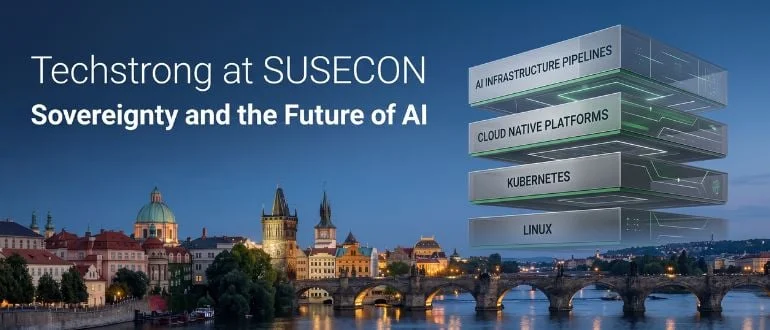
The urgency behind this transition is almost entirely driven by the logistical realities of AI. While the market remains fixated on model performance and parameter counts, the true strategic battleground has shifted to the foundational stack. AI pipelines are notoriously hungry for specific, hardened infrastructure—requiring complex orchestration, massive compute, and rigorous data governance. When organizations attempt to layer these requirements onto restrictive, opaque environments, they inadvertently invite long-term vendor lock-in that undermines their flexibility. The goal for many enterprises is now to build out these AI-heavy environments without sacrificing the portability that Linux and Kubernetes once promised.
This is where the distinction between "marketing" and "operational reality" becomes thin. SUSE is positioning itself as the bridge between community-driven open source principles and the hard-nosed requirements of large-scale, multi-cloud enterprise deployments. The presence of a dedicated Sovereign Summit at this year's event is a clear signal that the company views independence as a non-negotiable feature of modern infrastructure. It is a tacit acknowledgment that in a world of geopolitical volatility, relying on a closed, singular ecosystem is a liability.
Sign up for our special SUSECON newsletter: five editions covering sovereignty, open infrastructure and the future of AI.
There is a cynical perspective that sovereignty is just another term for protectionism, but that view misses the technical point. True sovereignty in 2024 is defined by the ability to move workloads, audit the stack, and define the governance of data pipelines regardless of the underlying hardware or cloud host. If an organization cannot effectively swap out a component or lift an entire environment to a different provider, they do not own their stack—they are merely participating in a subscription model that can be altered at the provider's whim. This is precisely why open infrastructure is moving from the developer's sandbox to the boardroom's risk-assessment portfolio.
The choice of Prague as a venue is, intentionally or otherwise, apt. The city's history is defined by the constant negotiation of independence and the shifting tides of power, themes that now mirror the challenges facing CIOs attempting to navigate modern, hyper-consolidated tech markets. The conversations occurring at the conference—whether they concern observability, edge computing, or the hardening of AI infrastructure—are all subsets of this singular question of control.
Readers should temper their expectations regarding flashy, headline-grabbing product releases. While those are inevitable at any event of this scale, they are distractions from the structural changes occurring beneath the surface. The real story at SUSECON will be found in the breakout sessions and the hallway conversations between partners and customers who are grappling with the practical, often messy, implementation of resilient architecture. We will be tracking these developments closely, with Mike Vizard and industry analyst Mitch Ashley joining our coverage to provide the context that separates market hype from durable trend lines.
The ultimate takeaway for the informed practitioner is this: the AI arms race is forcing a reckoning with legacy infrastructure debt. If you are currently deploying AI models without having secured the flexibility to shift your underlying infrastructure, you are effectively buying into a black box. The most resilient organizations are not looking for the easiest, most integrated path to deployment; they are looking for the most sovereign one. In the coming months, the firms that prioritize the independence of their underlying stack—using open standards to insulate themselves from provider volatility—will be the ones that sustain their innovation, while others find their progress tethered to the constraints of their chosen vendors. Pay attention not to the AI promises, but to the architects who are building the exits into their own systems.