The commoditization of generative AI has created a predictable friction point: the massive user base of tools like Claude is now a primary target for sophisticated social engineering. A newly identified campaign demonstrates that even highly technical users can be compromised by a classic supply chain deception—one that relies on the "legitimacy" of a signed security binary to bypass endpoint detection.
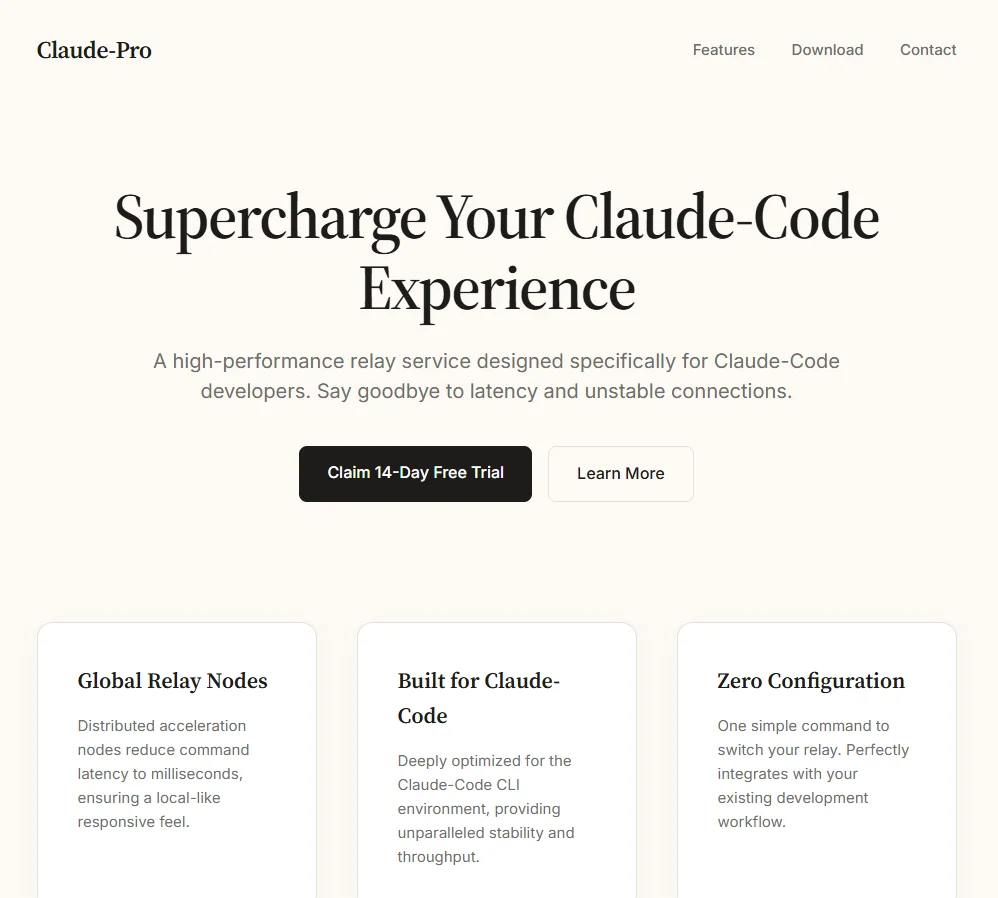
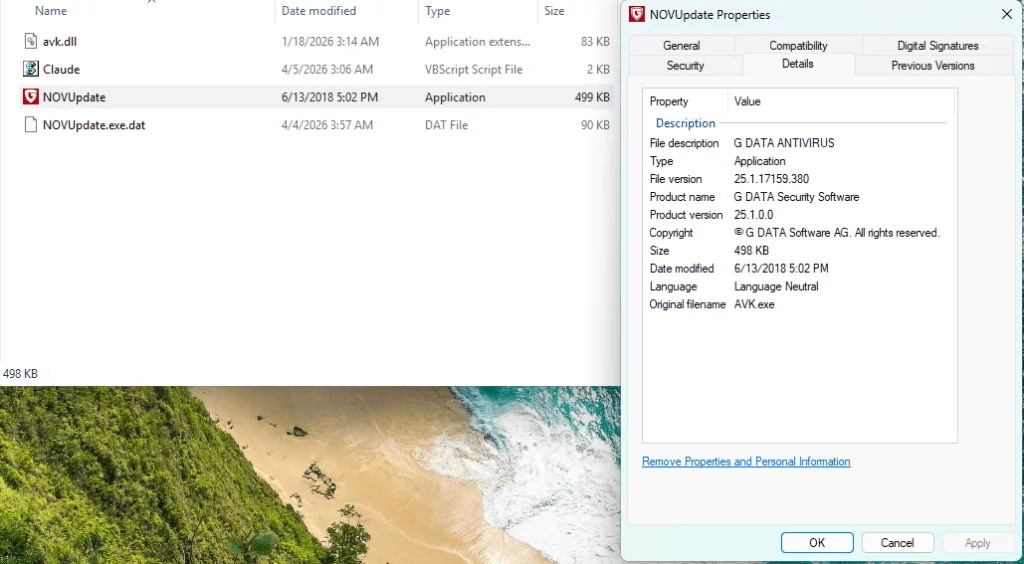
The campaign, which targets users looking for "Pro" versions of Anthropic’s Claude, utilizes a high-fidelity clone of the official download portal. It is a refined evolution of the sideloading triad previously documented in connection with PlugX deployments. By bundling a legitimate, signed G DATA antivirus updater (NOVUpdate.exe) with a malicious DLL (avk.dll) and an encrypted data file, the threat actors are effectively weaponizing trust.
The Mechanics of the Deception
The delivery vehicle is a ZIP archive containing an MSI installer. When executed, the installer creates a directory structure—C:\Program Files (x86)\Anthropic\Claude\Cluade\—designed to mimic legitimate Electron-based deployments. The inclusion of an intentional misspelling, "Cluade," serves as the primary indicator for those performing manual forensics, though it is easily missed by users in a hurry.
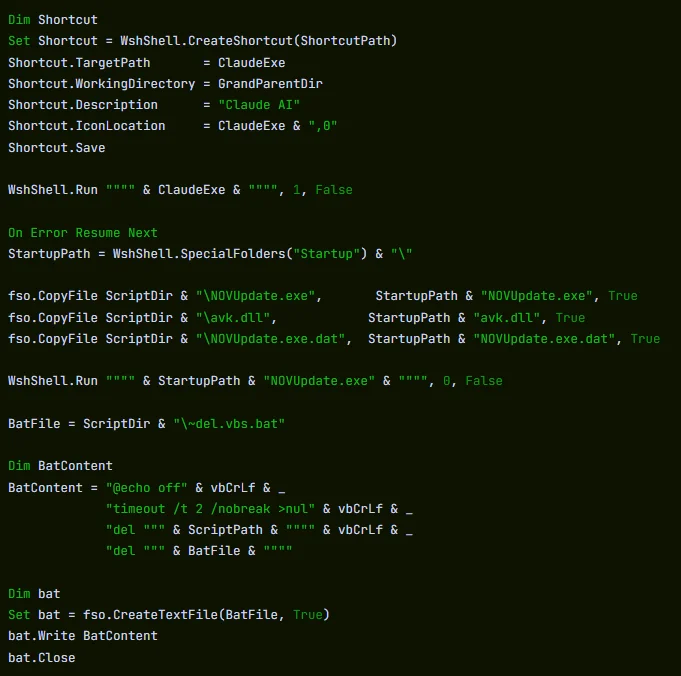
The installation process is cleverly designed to hide its tracks. A VBScript dropper runs upon initialization, locating the actual claude.exe to ensure the user receives a functional, legitimate application in the foreground. This provides the necessary cover for the malicious background activity. Once the user is distracted by the operational AI interface, the script executes a classic DLL sideloading attack (MITRE T1574.002). By placing the malicious avk.dll in the same directory as the signed NOVUpdate.exe, the threat actor forces the Windows loader to prioritize the attacker's library, bypassing static analysis tools that often white-list signed binaries from reputable security vendors.
Persistence is achieved by dumping the triad directly into the Windows Startup directory. The dropper then deploys a transient batch file—~del.vbs.bat—to purge its own footprints, ensuring that the only artifacts remaining are the sideloading components and the active malicious process.
Infrastructure and Operational Tempo
Beyond the technical payload, the campaign reveals a high level of operational agility. DNS records confirm that the threat actors are actively rotating their mailing infrastructure between platforms like Kingmailer and CampaignLark, maintaining uptime even as individual providers inevitably flag the malicious traffic. This implies the actors are treating the distribution phase as an iterative cycle rather than a "set it and forget it" operation.
Sandboxing telemetry highlights the rapid nature of the C2 callback. Within 22 seconds of the sideloaded process initializing, an outbound connection is established to 8.217.190.58 via port 443. This address is routed through Alibaba Cloud, a common obfuscation tactic that places the onus of traffic filtering on the defender rather than the threat actor.
Contextualizing the Threat
The use of the G DATA/PlugX triad is not an anomaly; it is a recycled playbook. Lab52 documented an nearly identical execution chain earlier this year. What is significant here is the speed at which this mature, espionage-grade tooling is being repurposed for mass-market phishing lures. The commoditization of PlugX—long associated with state-sponsored activity—has clearly expanded, likely due to the proliferation of its source code in underground forums.
For security teams, this campaign highlights the weakness in relying on file-reputation or certificate-based filtering alone. When a malicious process can hide behind the reputation of a legitimately signed G DATA updater, standard EDR triggers are frequently muted. Defenders must pivot toward behavioral analysis that flags suspicious parent-child relationships, such as the unexpected invocation of WScript.exe for the creation of executable files in protected directories.
Forensic Indicators and Remediation
Organizations concerned about exposure should prioritize a sweep for the specific triad components: NOVUpdate.exe, avk.dll, and NOVUpdate.exe.dat within the AppData\Roaming\Microsoft\Windows\Start Menu\Programs\Startup\ path. Given that PlugX includes capabilities for keylogging and credential harvesting, any host where these files are identified should be treated as fully compromised, with a mandatory rotation of all stored credentials.
Indicators of Compromise (IOCs)
- Archive:
Claude-Pro-windows-x64.zip(SHA256:35FEEF0E6806C14F4CCDB4FCEFF8A5757956C50FB5EC9644DEDAE665304F9F96) - Sideload Host:
NOVUpdate.exe(SHA256:be153ac4db95db7520049a4c1e5182be07d27d2c11088a2d768e931b9a981c7f) - Malicious DLL:
avk.dll(SHA256:d5590802bf0926ac30d8e31c0911439c35aead82bf17771cfd1f9a785a7bf143) - Encrypted Payload:
NOVUpdate.exe.dat(SHA256:8ac88aeecd19d842729f000c6ab732261cb11dd15cdcbb2dd137dc768b2f12bc) - C2 Destination:
8.217.190.58:443
Moving forward, the primary risk is not the malware itself, but the increasing sophistication of the "AI-download" ecosystem. As enterprise reliance on these tools grows, the appetite for unofficial "Pro" variants will only increase. Unless organizations enforce strict allow-listing for AI tooling, users will remain the weakest link in the chain—one click away from an APT-grade backdoor.
To stay protected, avoid third-party sites and ensure all software updates are sourced exclusively from claude.com/download. Relying on real-time anti-malware solutions that perform behavioral heuristic monitoring is no longer a luxury—it is a functional necessity.
We don’t just report on threats—we remove them
Cybersecurity risks should never spread beyond a headline. Keep threats off your devices by downloading Malwarebytes today.