Tactical Persistence: Dissecting the NWHStealer Infection Vectors
The proliferation of commodity info-stealers has reached a point where the payload itself is secondary to the sophistication of the delivery mechanism. Recent telemetry on NWHStealer confirms this shift, highlighting an aggressive strategy that exploits the implicit trust users place in legitimate software distribution hubs. Rather than relying on high-friction phishing vectors, the operators behind NWHStealer are poisoning the search results for common utilities, gaming mods, and VPN clients, effectively leveraging the "good reputation" of hosting platforms to bypass baseline suspicion.
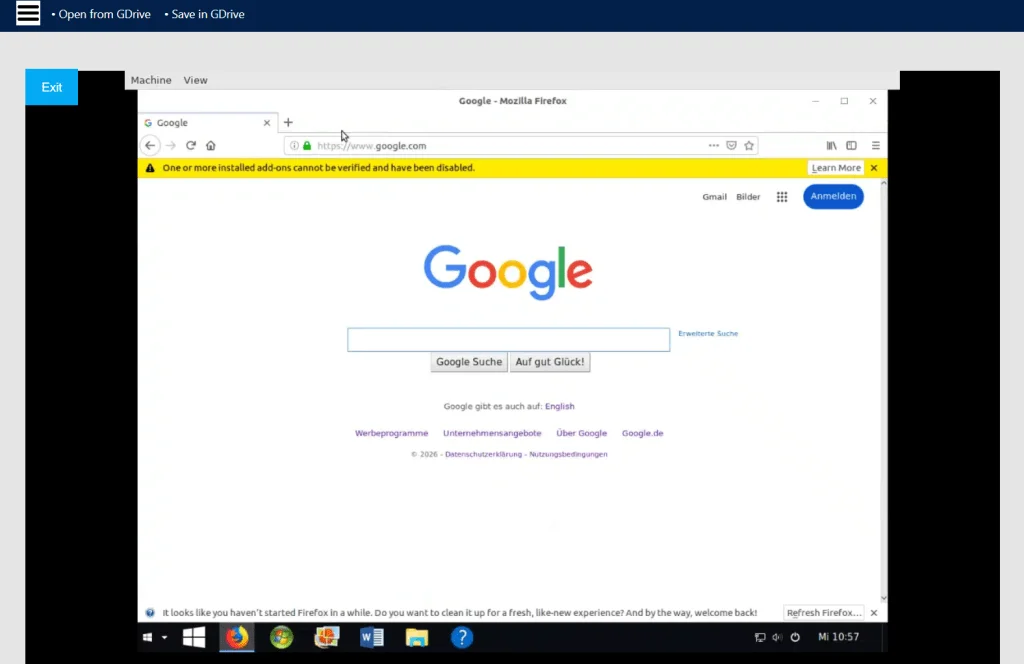
The campaign’s operational footprint is notable for its refusal to rely on a single distribution model. Analysts have observed the stealer being propagated through a hybrid of classic DLL hijacking and more modern process-injection techniques. In one instance, malicious actors utilized onworks[.]net—a site ostensibly providing browser-based virtual machines—to serve ZIP archives containing trojanized versions of legitimate hardware monitoring tools like OhmGraphite and Sidebar Diagnostics. The presence of these files on a high-traffic domain underscores the risk associated with secondary software mirrors.
Loader Architecture and Evasion
The infection chain is engineered to frustrate static analysis and endpoint detection. In many identified cases, the initial binary—often masquerading as a utility—is essentially a vehicle for a multistage loader. This loader is frequently equipped with junk code designed to disrupt heuristic engines, while simultaneously checking for common debugging or virtualization environments. If the environment is deemed "clean," the loader moves to decrypt the next stage, often utilizing AES-CBC via standard Windows BCrypt APIs. This approach is tactical: by using native Windows cryptographic libraries, the attackers maintain a lower profile than they would by relying on custom, potentially signatured encryption routines.
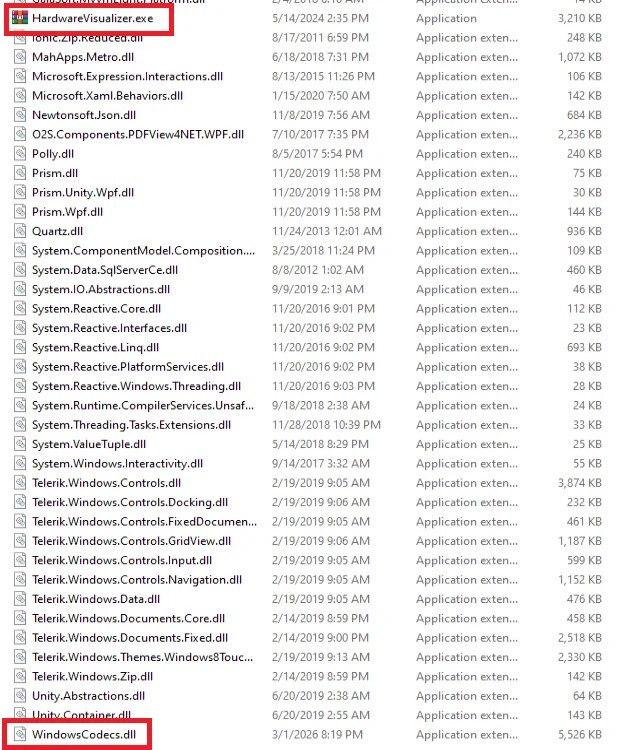
A recurring theme in the NWHStealer delivery chain is the misuse of trusted system processes. Actors are increasingly employing DLL hijacking, where a malicious DLL is bundled alongside a legitimate, renamed executable (e.g., a standard WinRAR installer). Once executed, the malicious DLL assumes control, decrypting and injecting the payload into legitimate processes such as RegAsm.exe. This technique provides the malware with the privileges of the hijacked process and complicates forensic attribution.
Exfiltration and Persistence
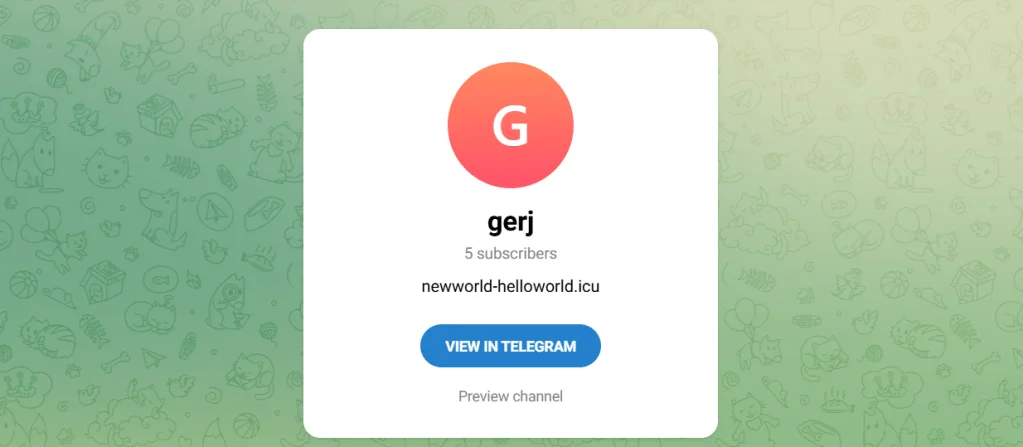
Once injected, the NWHStealer payload is comprehensive in its reach. It targets an expansive list of browser profiles and cryptocurrency wallets, pulling sensitive data directly from memory. The malware also exhibits a high degree of "operational awareness" by injecting secondary DLLs into active browser processes to intercept data at the moment of decryption. The persistence mechanism is equally robust, relying on a combination of Windows Defender exclusions and scheduled tasks with elevated privileges. To maintain a line of communication with the C2 infrastructure, the malware employs a Telegram-based dead drop resolver, ensuring that if primary domains are taken down, the infection can receive updated C2 instructions remotely.
The use of the CMSTP (Connection Manager Profile Installer) binary for UAC bypass remains a favored, albeit dated, tactic. By programmatically generating a random .inf file and forcing cmstp.exe to process it, the malware can elevate its privileges without triggering the standard UAC prompt, relying on automated Windows API calls to confirm the elevation request. It is a stark reminder that while new vulnerabilities are constantly discovered, attackers continue to extract significant value from "living off the land" by repurposing existing, signed Windows binaries.
Strategic Countermeasures
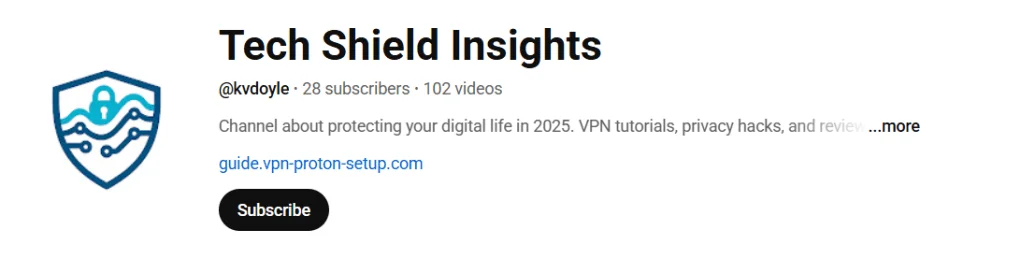
Defense against this type of campaign requires a move away from reliance on standard signature-based detection. The use of legitimate file-sharing sites like SourceForge and GitHub, coupled with AI-generated video tutorials on YouTube to drive traffic, creates a "social engineering loop" that is difficult to disrupt via technical controls alone. Security professionals should prioritize behavioral monitoring—specifically looking for unauthorized process injection into RegAsm.exe or unexpected modifications to Windows Defender exclusion lists.
For end-users, the threshold for suspicion must be raised significantly when downloading software from any source other than the developer’s primary domain. Even when downloading from reputable platforms like GitHub, verifying cryptographic signatures and inspecting publisher certificates is no longer optional. As threat actors continue to weaponize trust, the "official download" paradigm remains the most critical vulnerability in the endpoint security stack. Those looking to mitigate these specific threats may consider tools like Malwarebytes Browser Guard to block access to the C2 and hosting domains identified in current telemetry.
Known Indicators of Compromise (IOCs)
Hashes: e97cb6cbcf2583fe4d8dcabd70d3f67f6cc977fc9a8cbb42f8a2284efe24a1e3, 2494709b8a2646640b08b1d5d75b6bfb3167540ed4acdb55ded050f6df9c53b3
C2 Domains: newworld-helloworld[.]icu; Telegram: https://t[.]me/gerj_threuh
Future iterations of these campaigns will almost certainly move toward even harder-to-detect persistence, potentially leveraging newer Windows OS features that lack robust security telemetry. The current focus on memory-only execution and DLL hijacking is merely a transitionary phase; we should expect further experimentation with cloud-native persistence models as the industry continues to harden the traditional desktop environment.