Attackers are leveraging a sophisticated, dual-track installer that masquerades as legitimate Slack software to surreptitiously deploy a hidden virtual desktop on victim machines. This campaign, which has been reported to Slack, utilizes a typosquatted domain to trick users into downloading a file that installs a functional application while simultaneously executing a stealthy malware loader in the background. By wrapping malicious payloads within a legitimate installer, the threat actors effectively neutralize the user’s suspicion, as the expected software behaves exactly as intended during the setup process.
The Illusion of Legitimacy
Slack is a staple of the modern enterprise, utilized by over 200,000 paying organizations—including a vast majority of the Fortune 100. Because the application is so ubiquitous, users often download it impulsively, frequently relying on search engine results rather than verified source links. This behavioral shortcut is the cornerstone of the current attack strategy, exploiting the "brand halo" effect where a recognizable icon is assumed to be synonymous with safety.
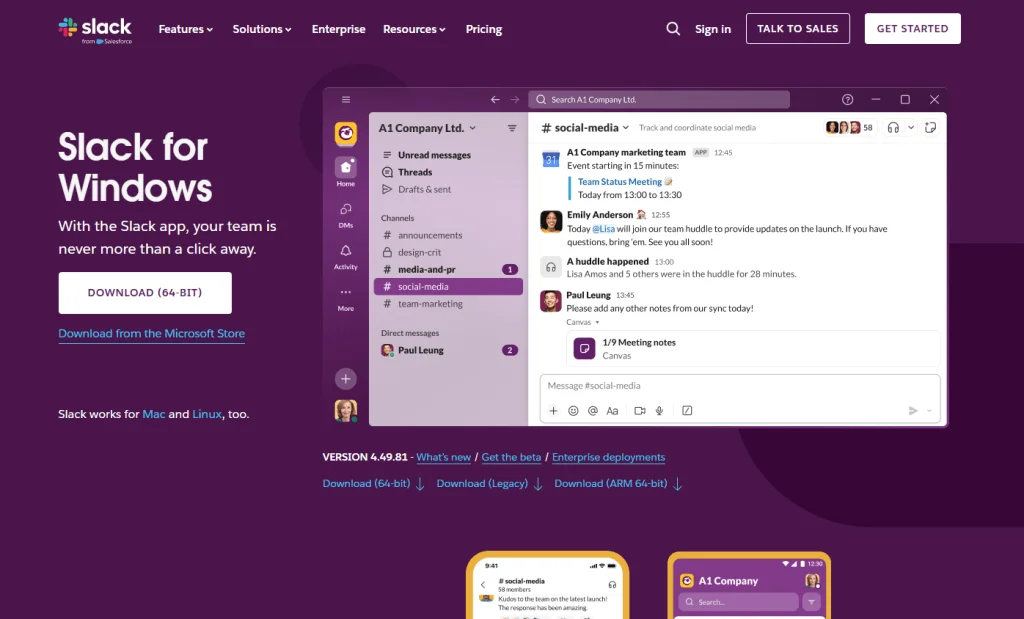
The campaign centers on the domain slacks[.]pro, which employs a script to trigger a download from debtclean-ua[.]sbs upon nearly any user interaction, excluding cookie consent prompts. The delivered file, slack-4-49-81.exe, leverages version numbering that mimics official releases to evade suspicion. This is part of a recurring pattern in threat intelligence; previous activity identified in August 2024 utilized similarly deceptive methods to push the SecTopRAT remote access Trojan. The persistence of these campaigns suggests that attackers have refined a highly repeatable assembly line for malicious installers, allowing them to pivot to different brands whenever a specific domain is flagged or blacklisted.
Technical Execution: The Decoy and the Driver
The malicious installer is a masterclass in misdirection. It uses the Squirrel update framework—an industry-standard tool found in legitimate apps like Discord and Teams—to install a genuine, functional copy of Slack. By utilizing a legitimate framework, the attackers essentially "piggyback" on trusted infrastructure, making the process look identical to a standard enterprise deployment.

While the user is occupied with the Slack splash screen, a second file, svc.tmp, triggers behind the scenes. This unsigned 519KB executable disguises its identity as a "Windows Component Update Service" and attempts to reach a command-and-control server at 94.232.46.16:8081. To maintain persistence, it replicates the standard Slack registry Run key (com.squirrel.slack.slack), ensuring it remains hidden from most casual security audits performed by IT administrators or automated system clean-up tools. By naming the persistence mechanism to mimic the legitimate application's update path, the actor effectively hides in plain sight, hoping that a cursory check of the registry will yield a "false positive" of normalcy.
Loader Architecture and Evasion
Analysis of the svc.tmp binary reveals significant effort to frustrate traditional detection. The file lacks standard imports, instead resolving sensitive APIs at runtime to blind static analysis tools that rely on header inspection. Seven randomized PE sections—such as .7ssik—further obfuscate the code's structure, effectively rendering the file unreadable to many signature-based antivirus engines.
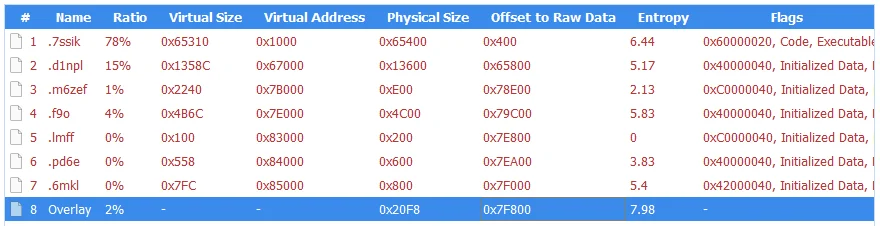
Internal debug strings accidentally preserved in the build provide a roadmap of the loader's multi-stage operation. The primary payload is an HVNC (Hidden Virtual Network Computing) client. Unlike a typical RAT, an HVNC gives attackers an isolated, invisible desktop session on the host machine. By injecting this payload into explorer.exe using section-based injection—a method that circumvents traditional memory-write monitoring—attackers can manipulate browsers and authenticated accounts entirely out of view. The loader even includes rudimentary self-preservation, with debug strings indicating its capability to detect and react to the presence of sandboxes or debuggers, highlighting a mature approach to malware development intended to defeat automated malware analysis platforms.
Broader Implications for Enterprise Trust
This attack serves as a stark reminder that software supply chain trust is increasingly broken when users are the primary gatekeepers. The reliance on search engines to source critical business tools creates a dangerous blind spot where SEO poisoning can override standard security training. Organizations cannot assume that "legitimate-looking" software is safe, as the barrier to entry for packaging malware inside a functional app has never been lower. As remote work continues to blur the line between personal and professional device usage, the threat of an HVNC-based breach is particularly catastrophic; an attacker with a silent, virtualized window into a user’s session can effectively hijack active SSO tokens, circumventing multi-factor authentication (MFA) that relies on the user's browser context. Moving forward, enterprises must pivot toward managed software repositories and strict application whitelisting to prevent employees from independently fetching executable files from the open web.

Indicators of Compromise
- SHA-256 (Installer):
cfd2e466ea5ac50f9d9267f3535a68a23e4ff62e3fe3e20a30ec52024553c564 - SHA-256 (Loader):
08fd0a82cdeb0a963b7416cf57446564dfed5de5c6f66dee94b36d28bfefec9d - C2 Server:
94.232.46.16:8081 - Malicious Domains:
slacks[.]pro,debtclean-ua[.]sbs
For those who may have installed software from non-official sources, immediate remediation is required. Disconnect from the network to kill active C2 sessions, initiate a thorough scan using reputable security software, and rotate all credentials—specifically those for SSO and banking—from a known-clean device. It is crucial to treat the affected machine as a compromised node that requires a complete audit of its recent outbound traffic and installed services before it can be trusted again.